Jul
01
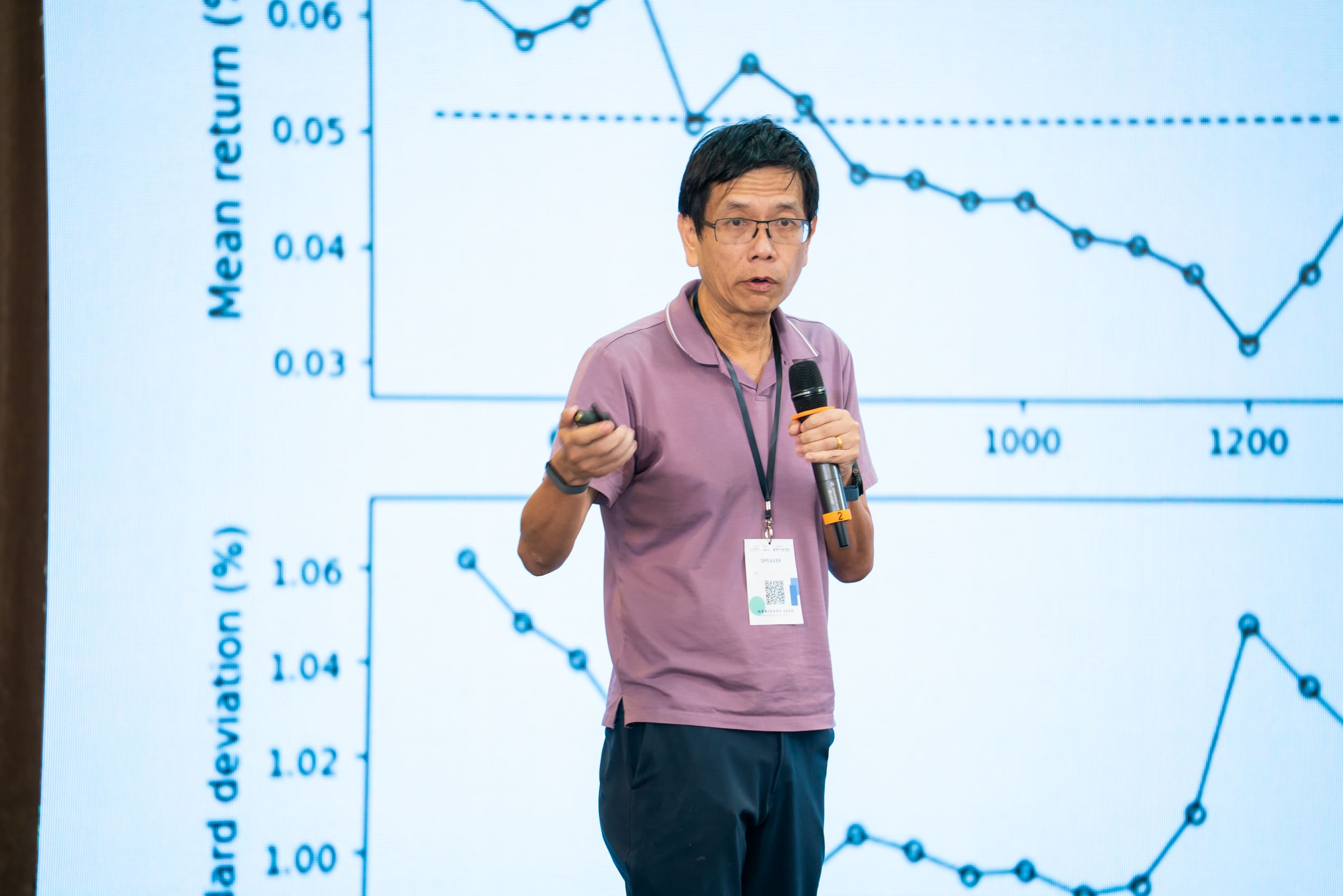
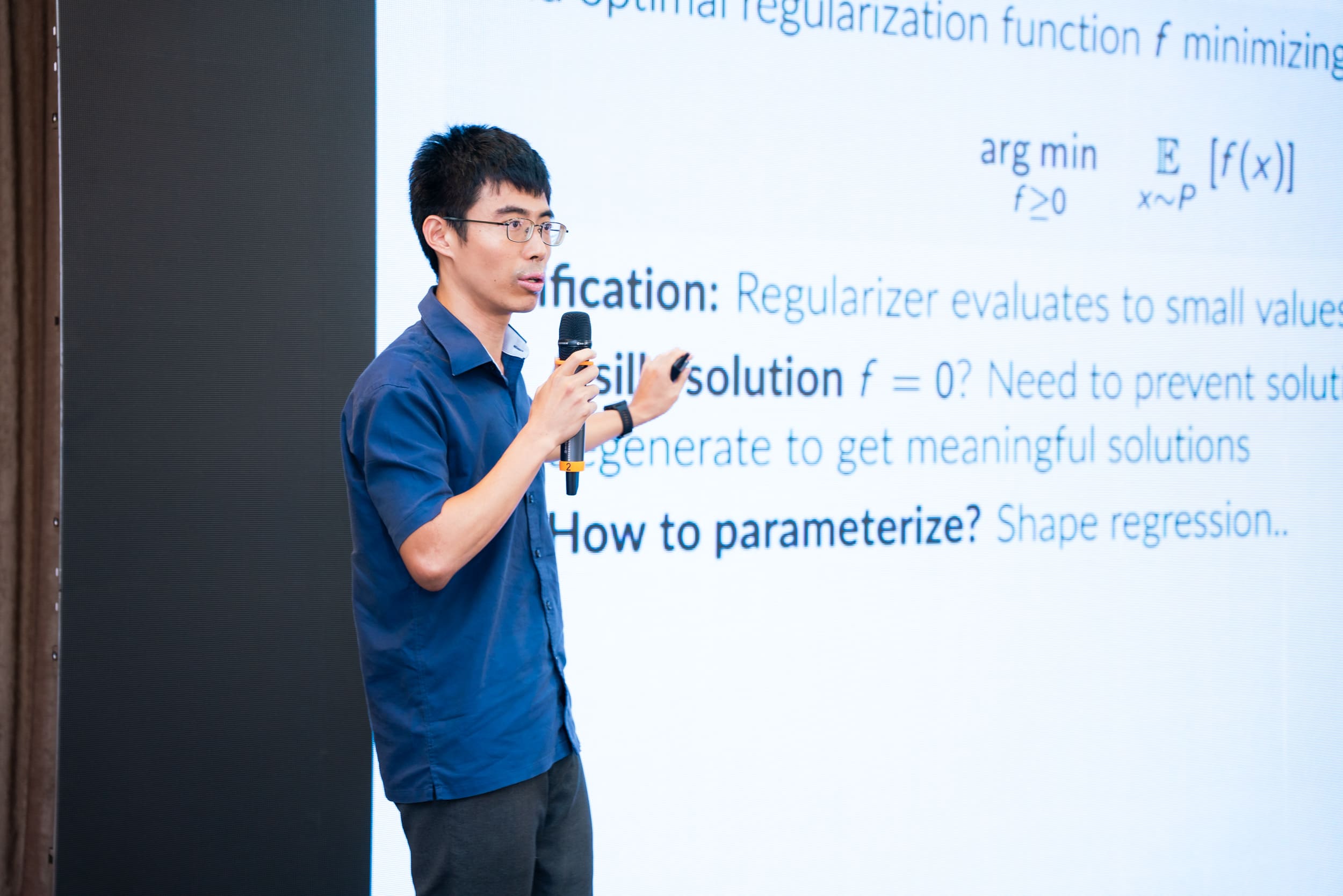
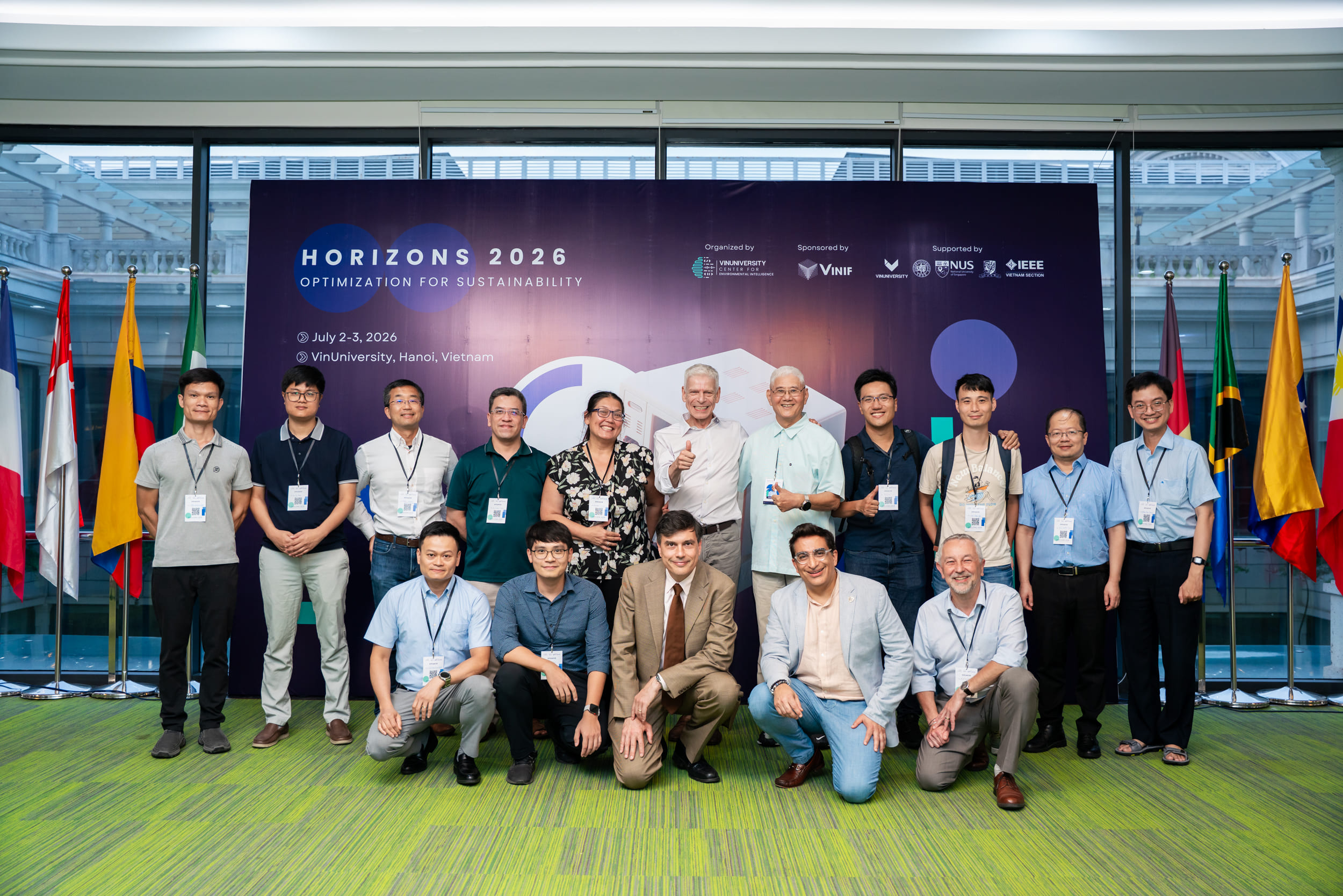
The second edition of HORIZONS is officially in the books, and we’re still buzzing from it. Led by Conference Chair Prof. Laurent El Ghaoui, this year’s event brought together researchers, practitioners, and students all driven by one question: how can optimization help solve real-world sustainability challenges?
It all kicked off with a training bootcamp that set the tone for everything ahead. Prof. Nitesh Chawla opened with a talk that went straight to the heart of why any of this matters — being a researcher, he reminded us, is ultimately about having real impact. Dr. Mai Anh Tien picked up right where that left off, walking participants through the hands-on technical work that turns that kind of purpose into something usable.
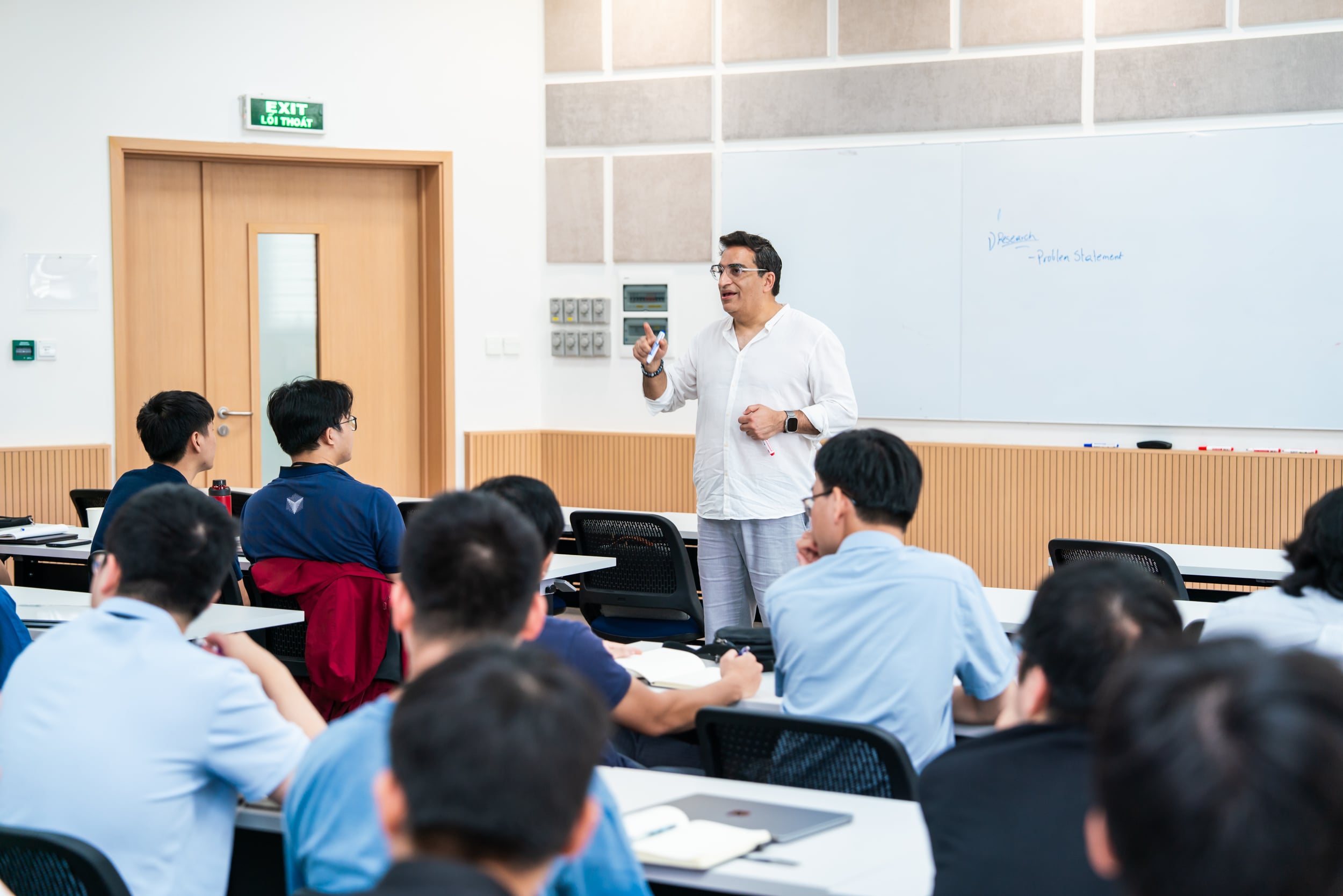
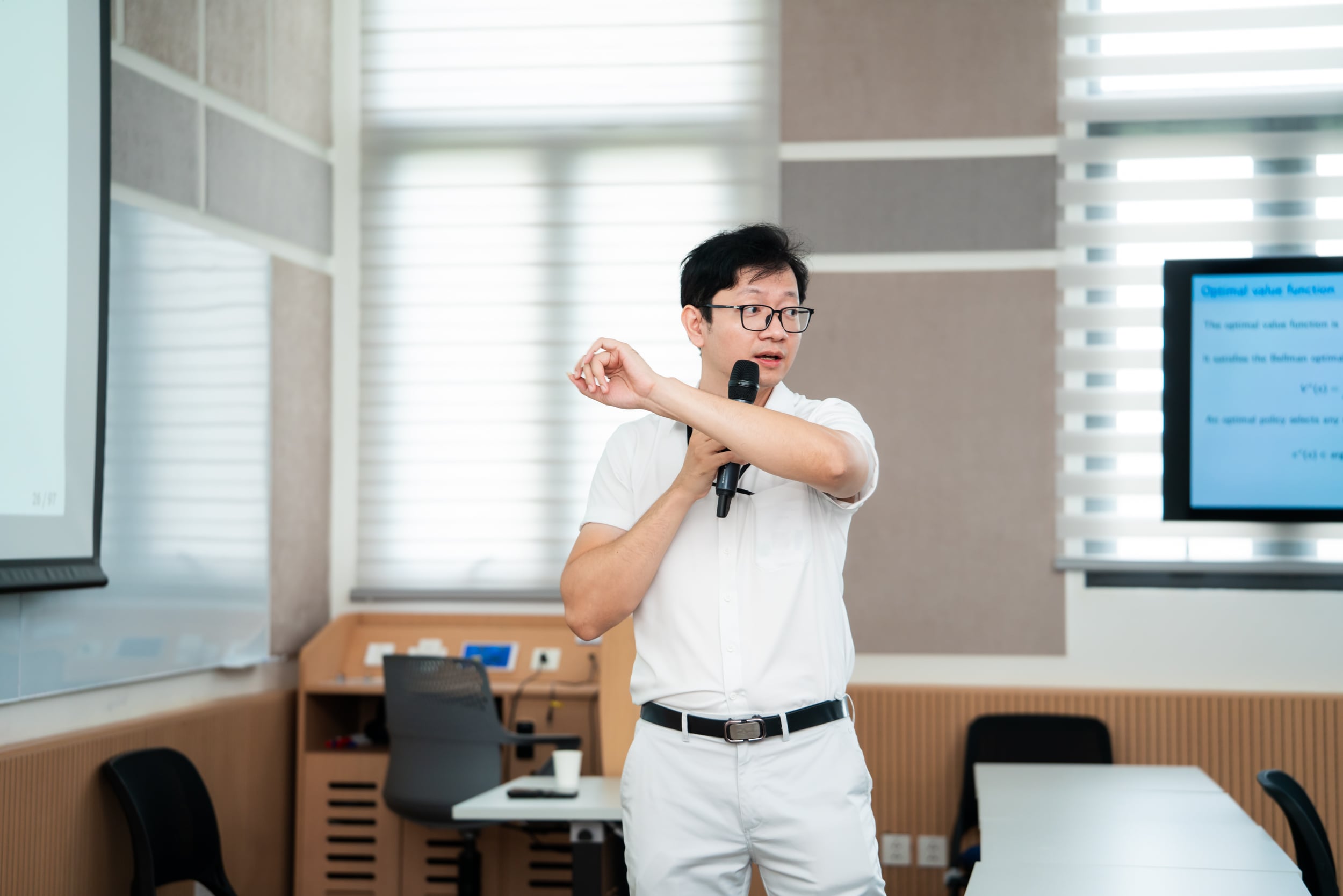
From there, three world-leading keynote speakers carried the conversation forward.
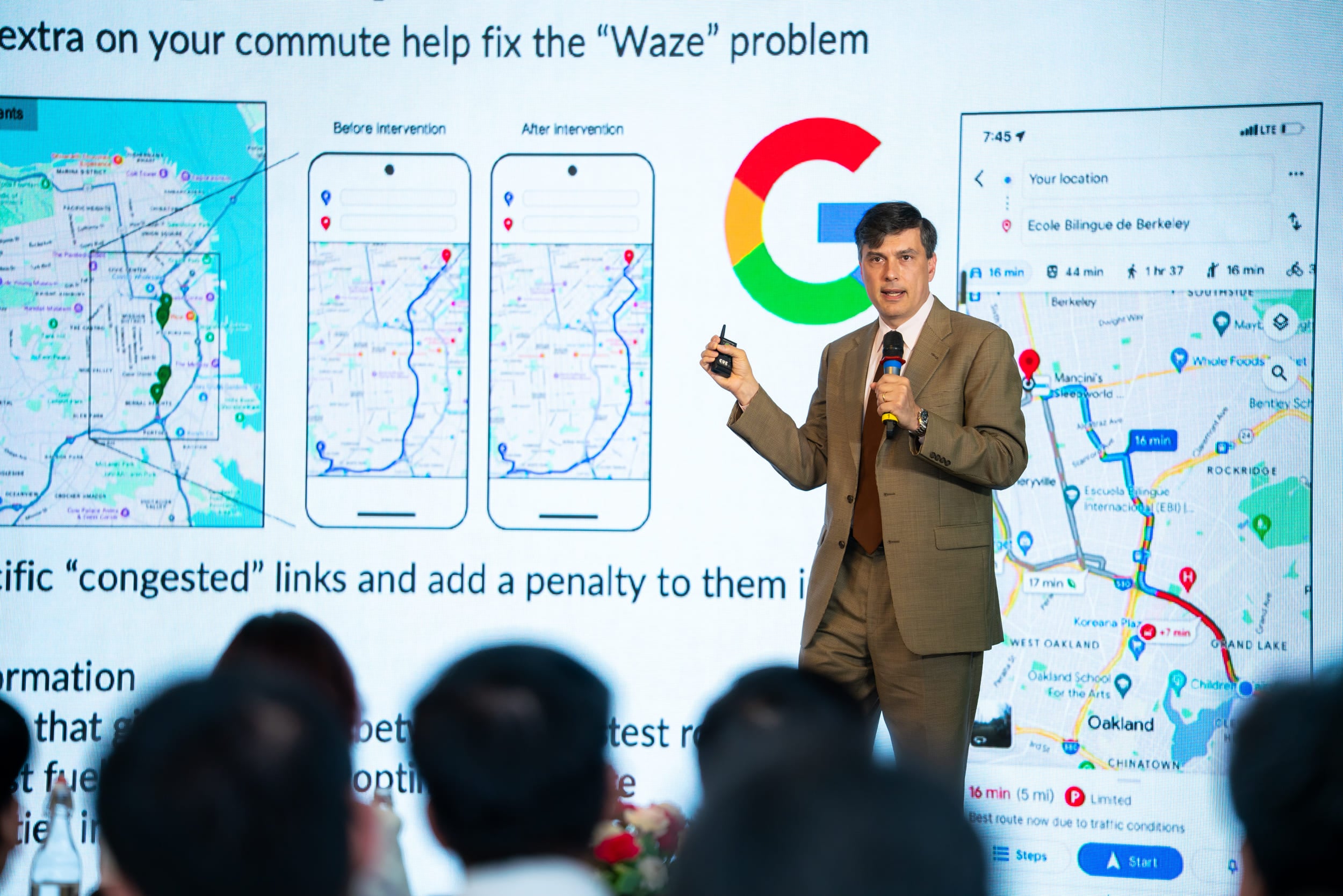
Prof. Alexandre Bayen (UC Berkeley) showed how just a handful of AI-equipped vehicles, trained through deep reinforcement learning, can smooth traffic waves without a single new road or signal — a finding with real implications for Hanoi’s and Ho Chi Minh City’s most congested corridors.
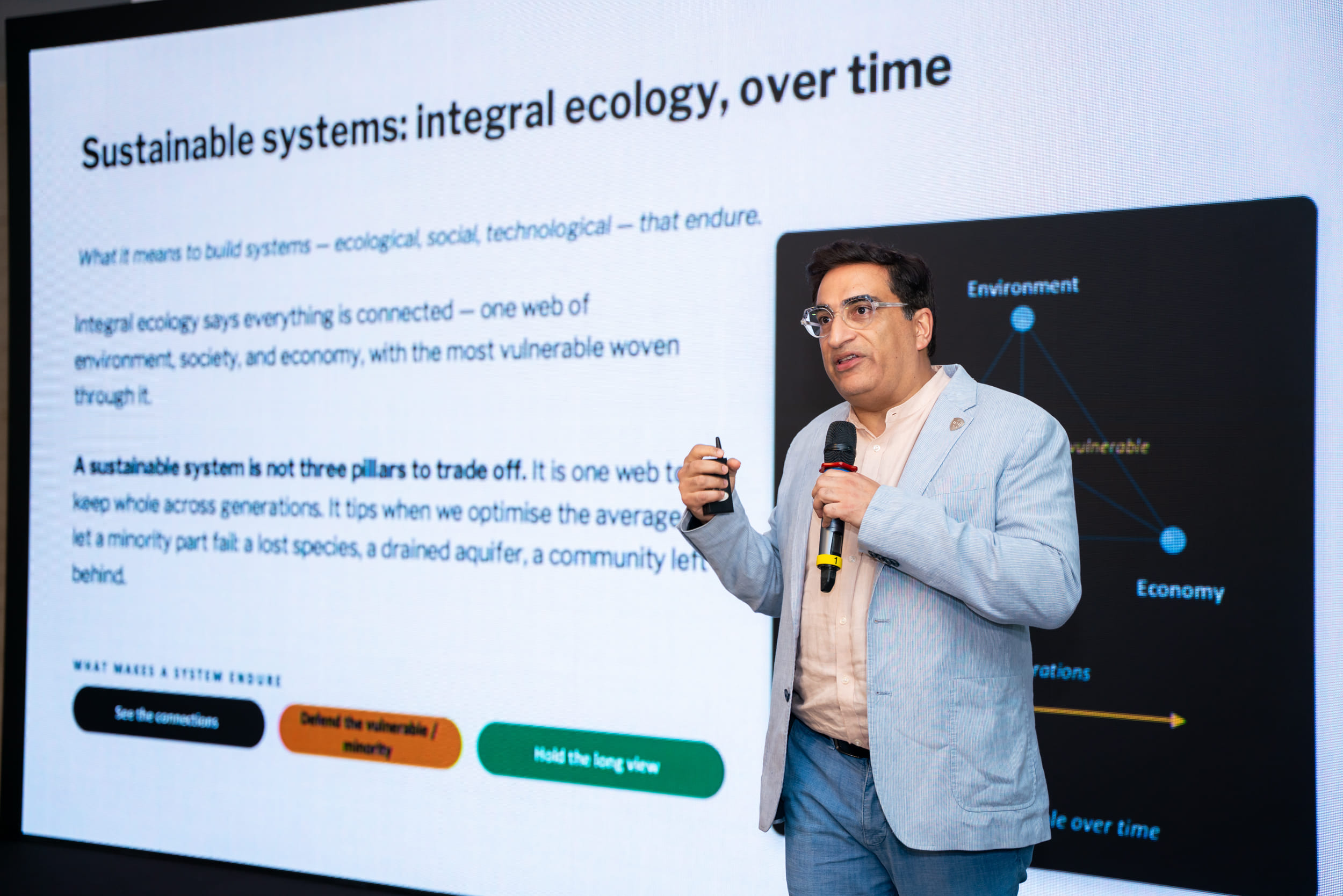
Prof. Nitesh Chawla (University of Notre Dame) made the case that we keep missing the signals that matter most — disease outbreaks, invasive species, vulnerable communities — not because of a data volume problem, but a data design problem, and showed how imbalanced learning and graph-based representation can help catch sparse, connected risks earlier.
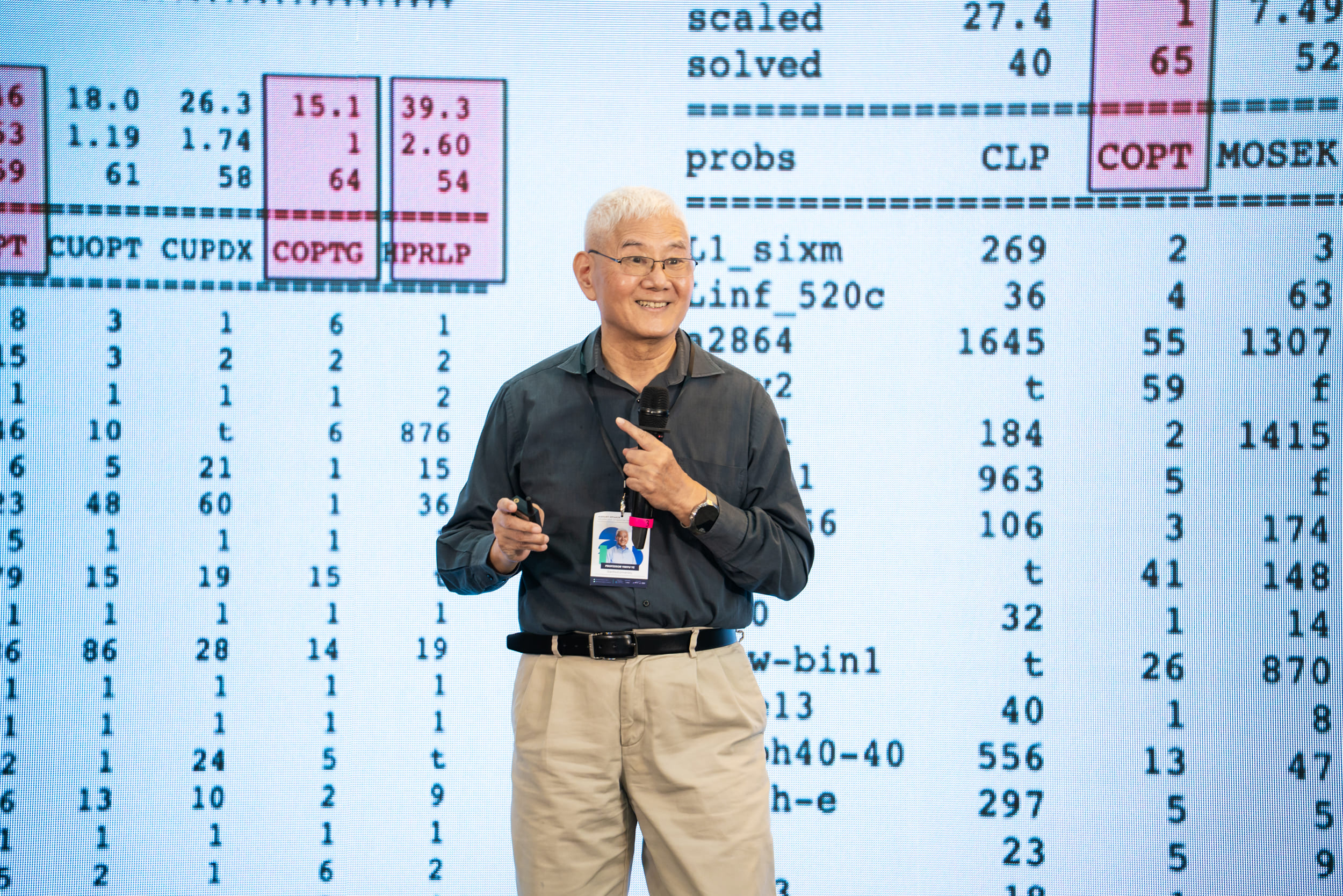
And on the final day, Prof. Yinyu Ye (Stanford University) demonstrated what happens when optimization solvers are rebuilt from the ground up for GPU computing: problems once thought computationally intractable, now solved in minutes instead of days. As Prof. Laurent El Ghaoui put it, “optimization is the dealbreaker” — the hidden layer beneath every AI system, energy network, and logistics decision.
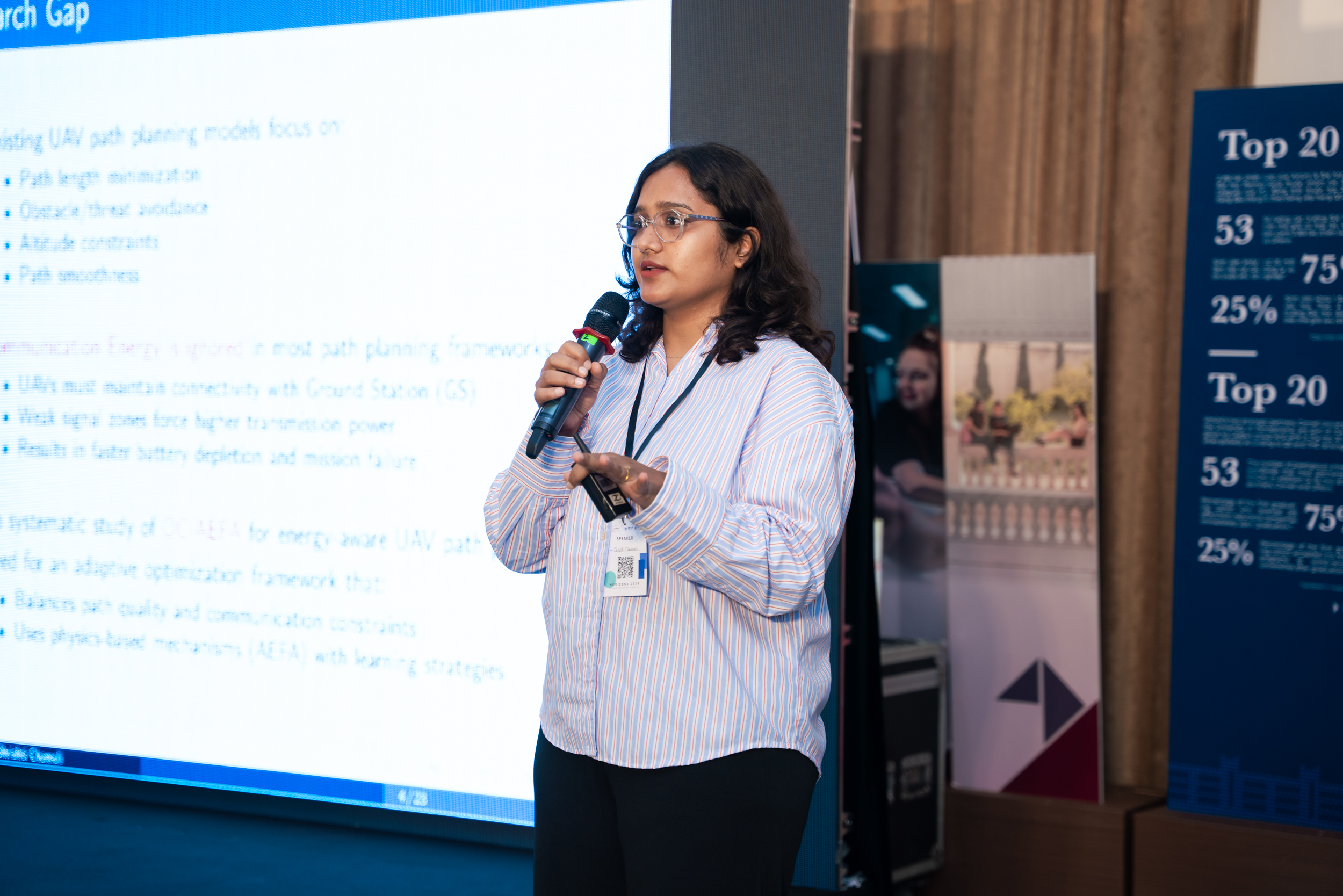
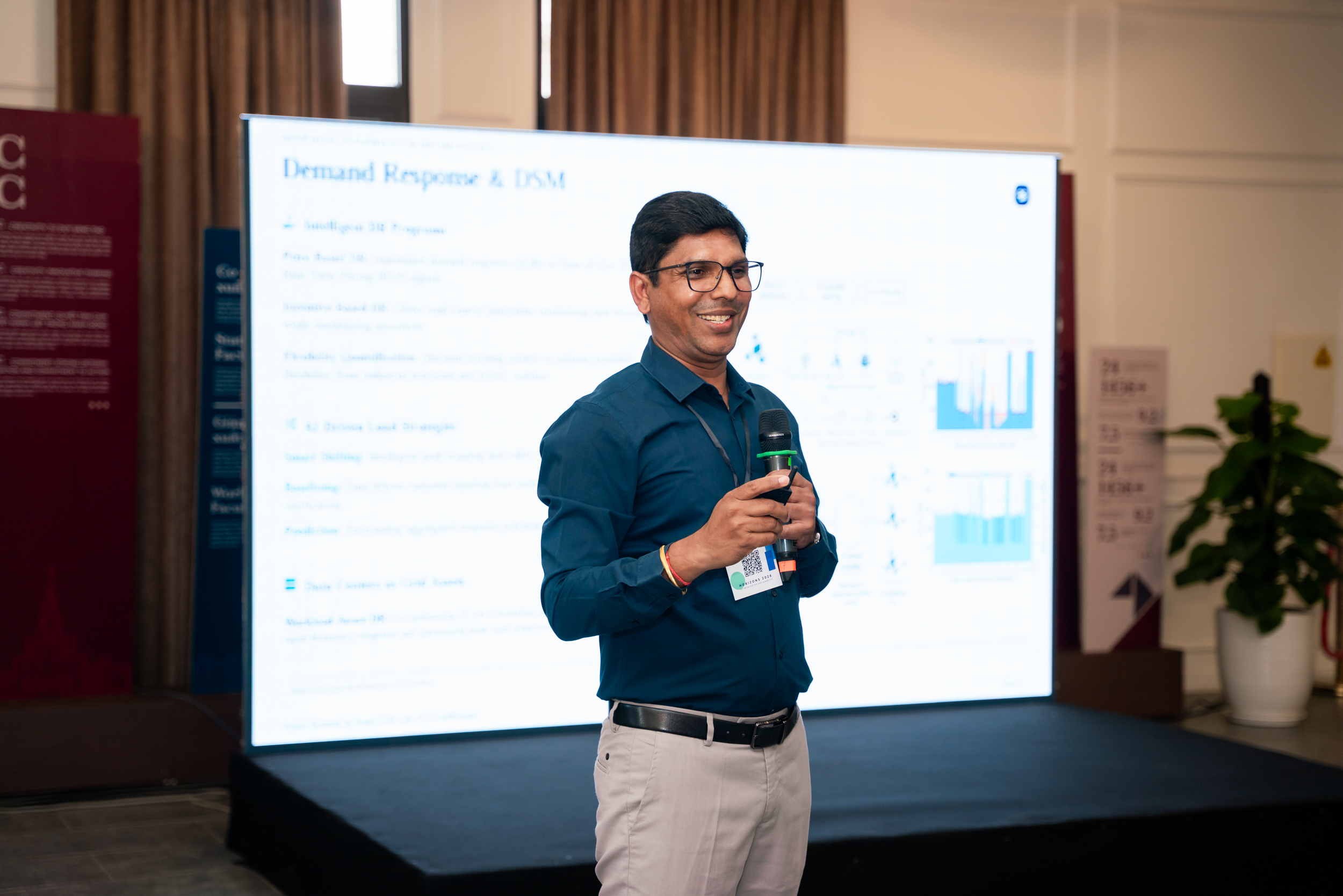
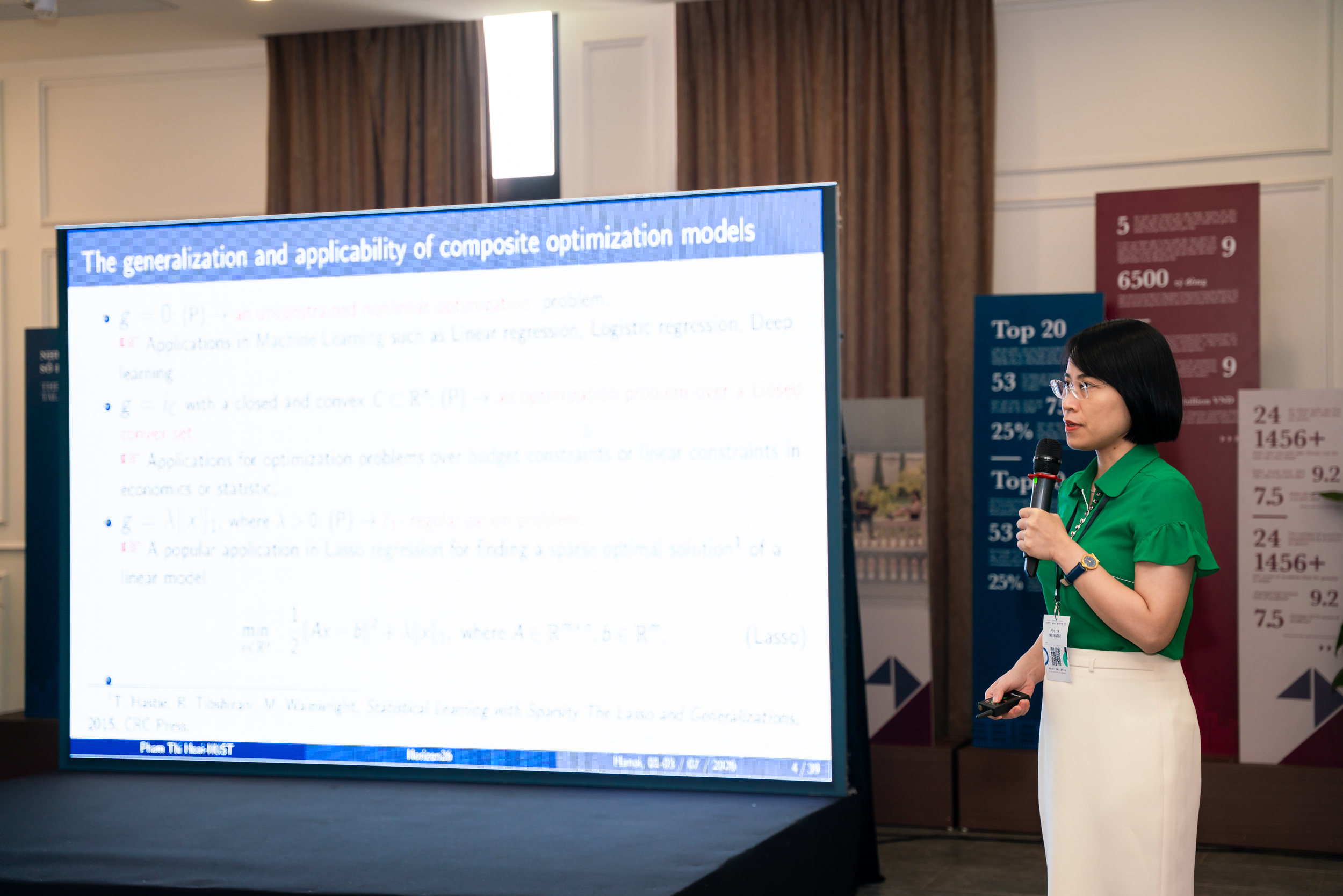
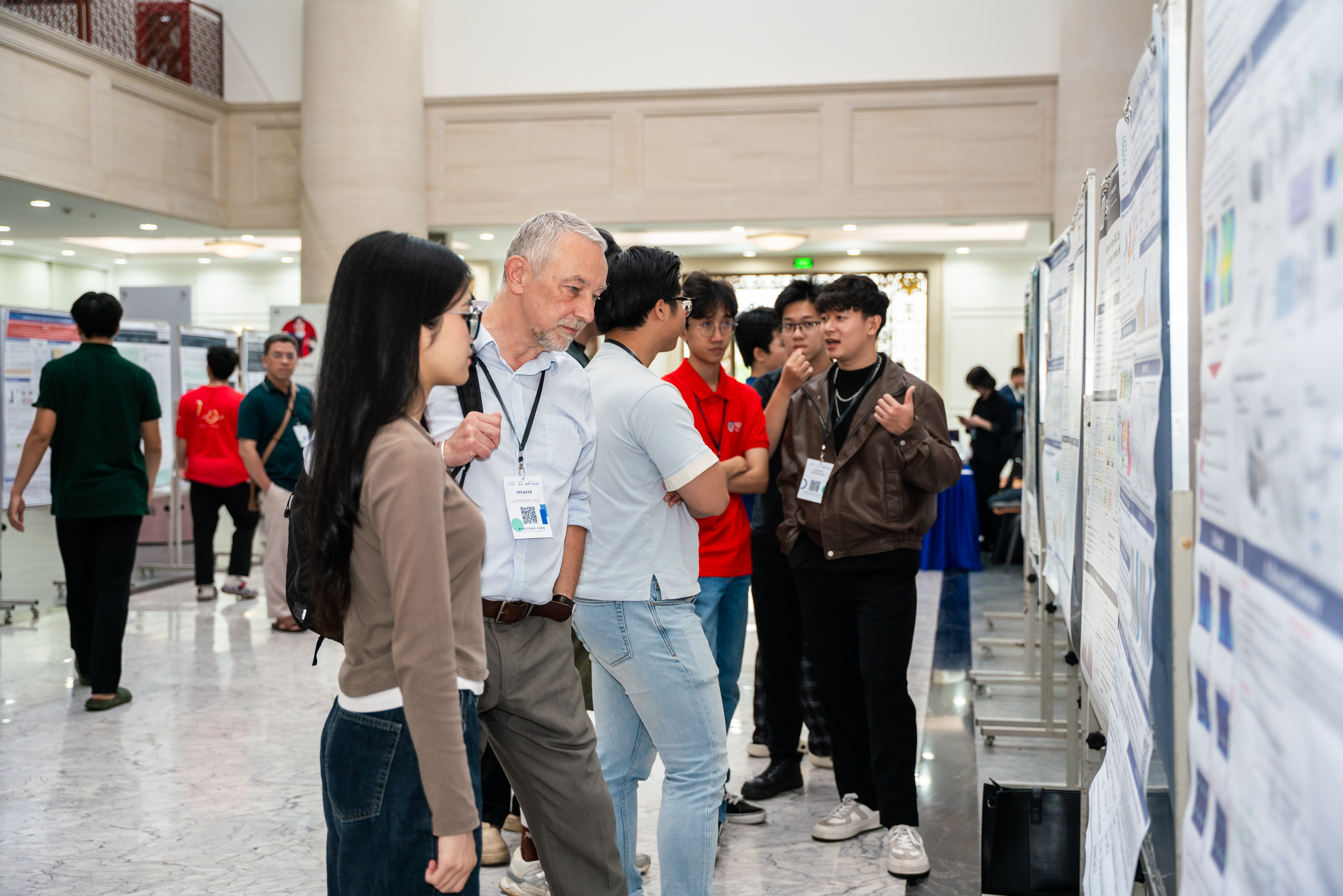
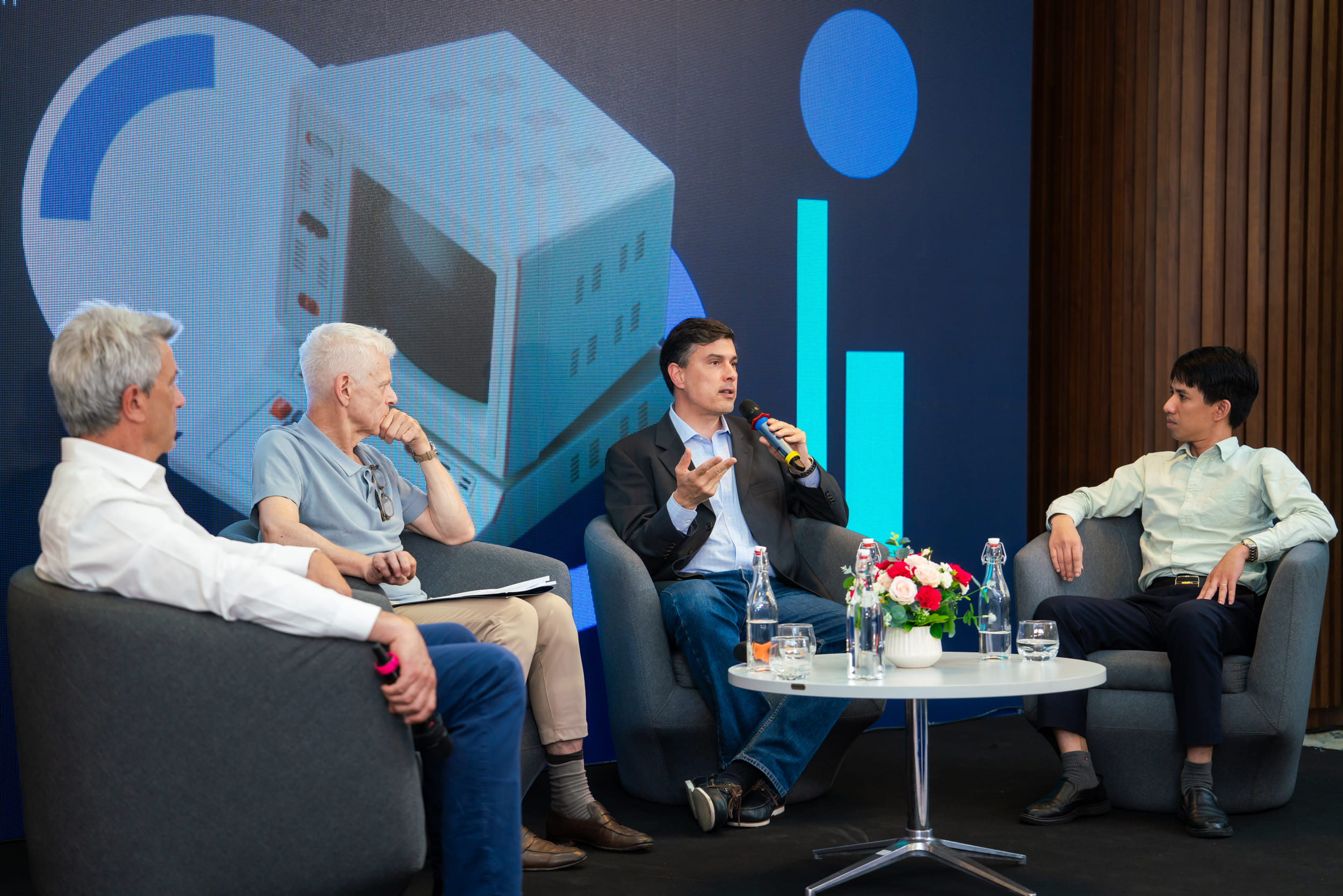
Over three packed days, we welcomed more than 300 speakers and attendees, alongside over 100 research submissions spanning optimization theory, machine learning, AI-driven decision-making, and sustainability applications, joined by 50+ invited speakers. Beyond the keynotes, the conference came alive through parallel sessions digging into the details of this research, a poster session giving young researchers and students a platform to share their own work, and an industry roundtable connecting this research to real-world sustainability challenges on the ground. And of course, no HORIZONS would be complete without the gala dinner, where the whole community came together to celebrate the week.
None of this would have been possible without the generous support of our conference sponsor, Vingroup Innovation Foundation, together with our speakers, participants, partners, and the tireless organizing team behind the scenes. Thank you for making HORIZONS 2026 a truly meaningful gathering. We’re already looking forward to HORIZONS 2027!